
Top 10 Tips for Learning Tarot | Tarot for Beginners
Are You Interested in Learning to Read the Tarot?
If you’re feeling drawn to learning Tarot, there’s usually a reason. Tarot has a way of calling to us at different points in our lives—often when we’re searching for deeper understanding, clarity, or connection.
You may be interested in using Tarot as a tool within psychic or spiritual sessions, or perhaps you’re feeling a little lost in life and seeking guidance or direction. Maybe you’ve always been fascinated by Tarot cards and played with them as a child, or you might be a complete beginner who simply loves the symbolism and visual storytelling of the cards.
No matter what has brought you here, we are all here for the same reason—to gain a deeper understanding of Tarot and ourselves.
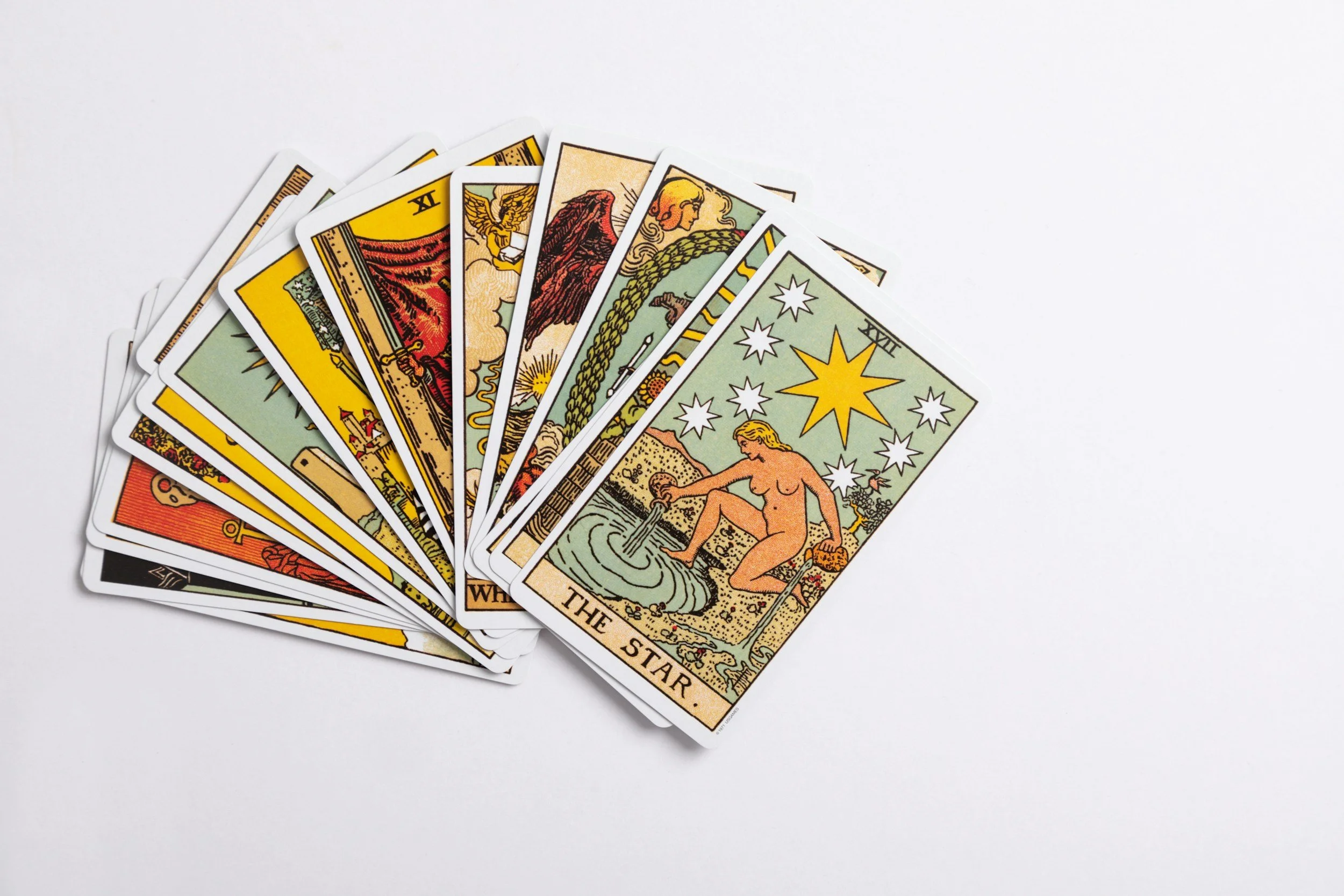
Tarot Cards
Where Do You Begin With Tarot?
When you first pick up a Tarot deck, one of the first things you’ll notice is the number of cards—78 in total. Each Tarot card carries its own meaning, symbolism, and visual cues. Together, they form a powerful system for guidance, reflection, and intuition.
At first, this can feel overwhelming. Learning Tarot isn’t about memorising every card overnight—it’s about developing a relationship with the cards and learning to trust what you feel as much as what you read.
My Personal Tarot Journey
I’ve always been drawn to Tarot and anything a little “woo woo.” From a young age, I was fascinated by spiritual tools, intuition, and unseen energies. I’ve been practising Tarot for over five years, and I can honestly say—I’m still learning every single day.
Tarot is not something you ever truly “finish” learning. It evolves as you do.
The Truth About Learning Tarot
I won’t sugar-coat it—learning Tarot isn’t instant, and it’s not always easy. It takes time, patience, practice, and trust in your intuition. But that’s also what makes it so powerful.
Tarot isn’t just about reading cards—it’s about learning to listen to yourself.Learning the Tarot is a deeply personal and intuitive journey. Whether you’re brand new to Tarot cards or looking to strengthen your confidence as a reader, these top 10 Tarot learning tips will help you build a strong foundation and trust your intuition.
1. Practice Tarot Every Day
Practice truly does make progress. One of the best ways to learn Tarot is to draw one card each day. Sit with the card, write down the message you receive, then look up the traditional meaning and see how it compares.
A great resource for Tarot meanings is Brigit Esselmont, founder of Biddy Tarot, whose books and teachings are wonderful for beginners.
2. Keep a Tarot Journal
Keeping a Tarot journal helps you track your growth and notice repeating themes or patterns. Write down:
The card you pulled
Your intuitive message
Any emotions, thoughts, or events linked to the card
When you look back over time, the connections can be incredibly insightful.
3. Learn the Tarot in Sections
The Tarot deck can feel overwhelming at first, so break it down:
Major Arcana
Court Cards
The four suits
Start with only the Major Arcana, removing the suits and court cards. These cards hold big life themes and are a perfect place to begin.
4. Move On to the Court Cards
Once you’re comfortable with the Major Arcana, begin learning the Court Cards:
Pages – Messengers
Knights – Action and movement
Queens – Inner mastery
Kings – Outer authority
Court cards often represent people, including yourself or others in your life. A helpful tip is to relate Queens and Kings to real people you know—it makes their traits much easier to remember and feel into.
5. Understand the Tarot Suits & Elements
The four Tarot suits relate to the elements, which add depth to every reading:
Pentacles (Earth): Career, finances, money, everyday life
Cups (Water): Emotions, feelings, relationships
Swords (Air): Thoughts, beliefs, communication, truth
Wands (Fire): Passion, creativity, inspiration, energy
Understanding the elements helps you quickly interpret the overall energy of a reading.
6. Learn Basic Tarot Numerology
Numbers in Tarot have meaning and add another layer of insight:
1 (Ace): New beginnings, opportunity
2: Balance, partnership
3: Growth, creativity
4: Stability, structure
5: Change, conflict
6: Harmony, cooperation
7: Reflection, learning
8: Action, mastery
9: Fulfilment, completion
10: End of a cycle, renewal
7. Practice Reading for Friends & Family
Reading Tarot for others is one of the best ways to learn. Practising with friends and family builds confidence and strengthens your intuitive connection to the cards.
You don’t need to be perfect—learning happens through experience.
8. Pay Attention to the Card Imagery
Tarot cards speak through symbols, colours, and images. Ask yourself:
How does this card make me feel?
What stands out to me visually?
Does it feel light, heavy, calm, or intense?
Your emotional response is part of the message.
9. Trust Your Intuition
Trust is essential in Tarot reading. Even if you don’t know every card meaning, your intuition will guide you. The more you trust yourself, the clearer your readings will become.
Tarot is as much about feeling as it is about knowledge.
10. Give Yourself Time
Learning Tarot takes time and patience. Don’t rush the process. Have fun with the cards, explore them in everyday life, and allow your relationship with Tarot to unfold naturally.
Final Thoughts on Learning Tarot
Learning Tarot ultimately comes down to trusting yourself and listening to your intuition. The cards are a tool—but the magic comes from you.
I’ll be sharing more Tarot tips, ideas, and card meanings over the coming weeks, so stay tuned ✨
With love,
Jen
Mystic & Moon 🤍