
 Image 1 of 1
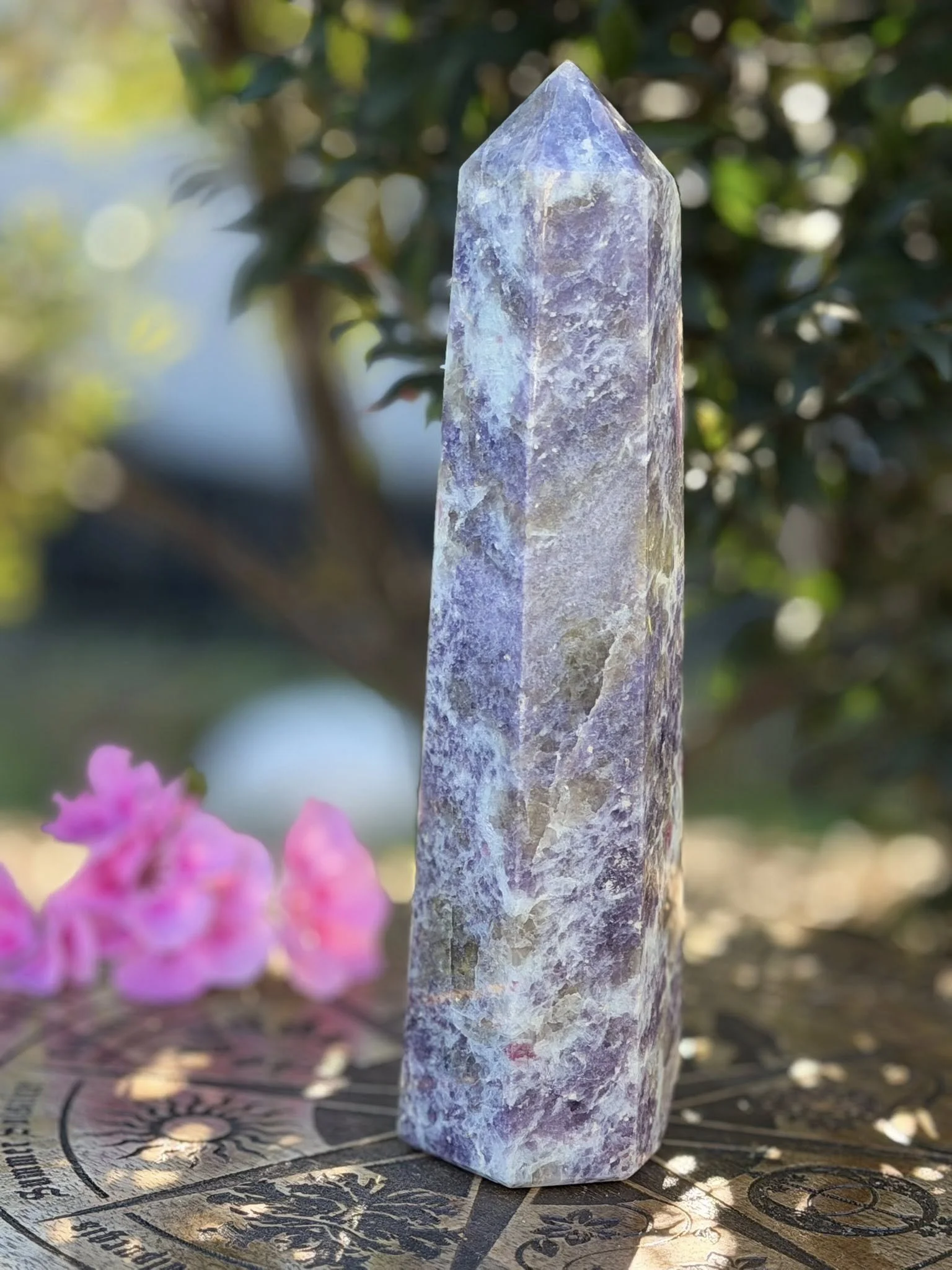
Lepidolite is a deeply calming and nurturing crystal known for its ability to support emotional balance, inner peace, and gentle transformation. Often referred to as a stone of serenity, it is believed to help soothe stress, encourage self-love, and bring comfort during times of change.
It is commonly associated with the Heart Chakra, Third Eye Chakra, and Crown Chakra, and is believed to support emotional healing, spiritual awareness, and a greater sense of trust and acceptance.
In crystal and energy practices, Lepidolite is often associated with:
Emotional balance and inner peace
Calming stress and overwhelm
Supporting self-love and self-compassion
Encouraging restful sleep and relaxation
Navigating change and transition with greater ease
Strengthening intuition and spiritual awareness
Releasing fear, worry, and emotional tension
Promoting a sense of calm and emotional resilience
It is often chosen during times of stress, grief, or major life changes, when gentle support and emotional grounding are needed.
Energetically, Lepidolite is often described as:
Soft and deeply soothing
Gentle and nurturing
Peaceful and comforting
Light, calming, and emotionally supportive
It is considered a crystal that encourages stillness and emotional balance, helping to create a sense of safety and quiet trust.
Lepidolite is commonly used by:
Wearing it as jewellery for everyday emotional support
Holding it during meditation or quiet reflection
Keeping it near the bed to encourage relaxation and restful sleep
Using it in energy healing and spiritual practices
Placing it in peaceful spaces to create a calming atmosphere
Like all crystals, Lepidolite is intended as a supportive spiritual tool and should be used alongside your own intuition and wellbeing practices. It is not a substitute for professional medical or mental health care.
Lepidolite is a deeply calming and nurturing crystal known for its ability to support emotional balance, inner peace, and gentle transformation. Often referred to as a stone of serenity, it is believed to help soothe stress, encourage self-love, and bring comfort during times of change.
It is commonly associated with the Heart Chakra, Third Eye Chakra, and Crown Chakra, and is believed to support emotional healing, spiritual awareness, and a greater sense of trust and acceptance.
In crystal and energy practices, Lepidolite is often associated with:
Emotional balance and inner peace
Calming stress and overwhelm
Supporting self-love and self-compassion
Encouraging restful sleep and relaxation
Navigating change and transition with greater ease
Strengthening intuition and spiritual awareness
Releasing fear, worry, and emotional tension
Promoting a sense of calm and emotional resilience
It is often chosen during times of stress, grief, or major life changes, when gentle support and emotional grounding are needed.
Energetically, Lepidolite is often described as:
Soft and deeply soothing
Gentle and nurturing
Peaceful and comforting
Light, calming, and emotionally supportive
It is considered a crystal that encourages stillness and emotional balance, helping to create a sense of safety and quiet trust.
Lepidolite is commonly used by:
Wearing it as jewellery for everyday emotional support
Holding it during meditation or quiet reflection
Keeping it near the bed to encourage relaxation and restful sleep
Using it in energy healing and spiritual practices
Placing it in peaceful spaces to create a calming atmosphere
Like all crystals, Lepidolite is intended as a supportive spiritual tool and should be used alongside your own intuition and wellbeing practices. It is not a substitute for professional medical or mental health care.